
Biology
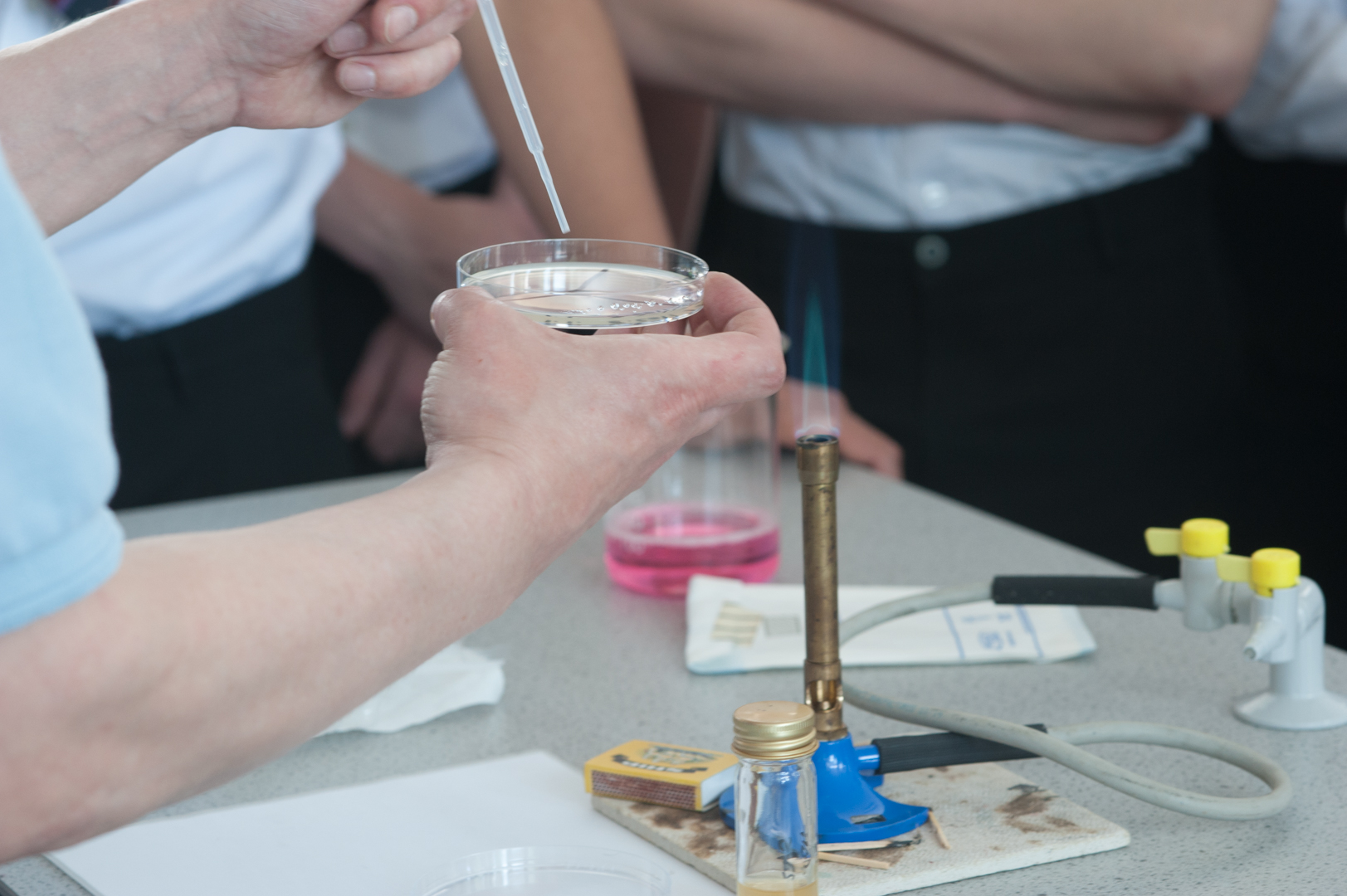
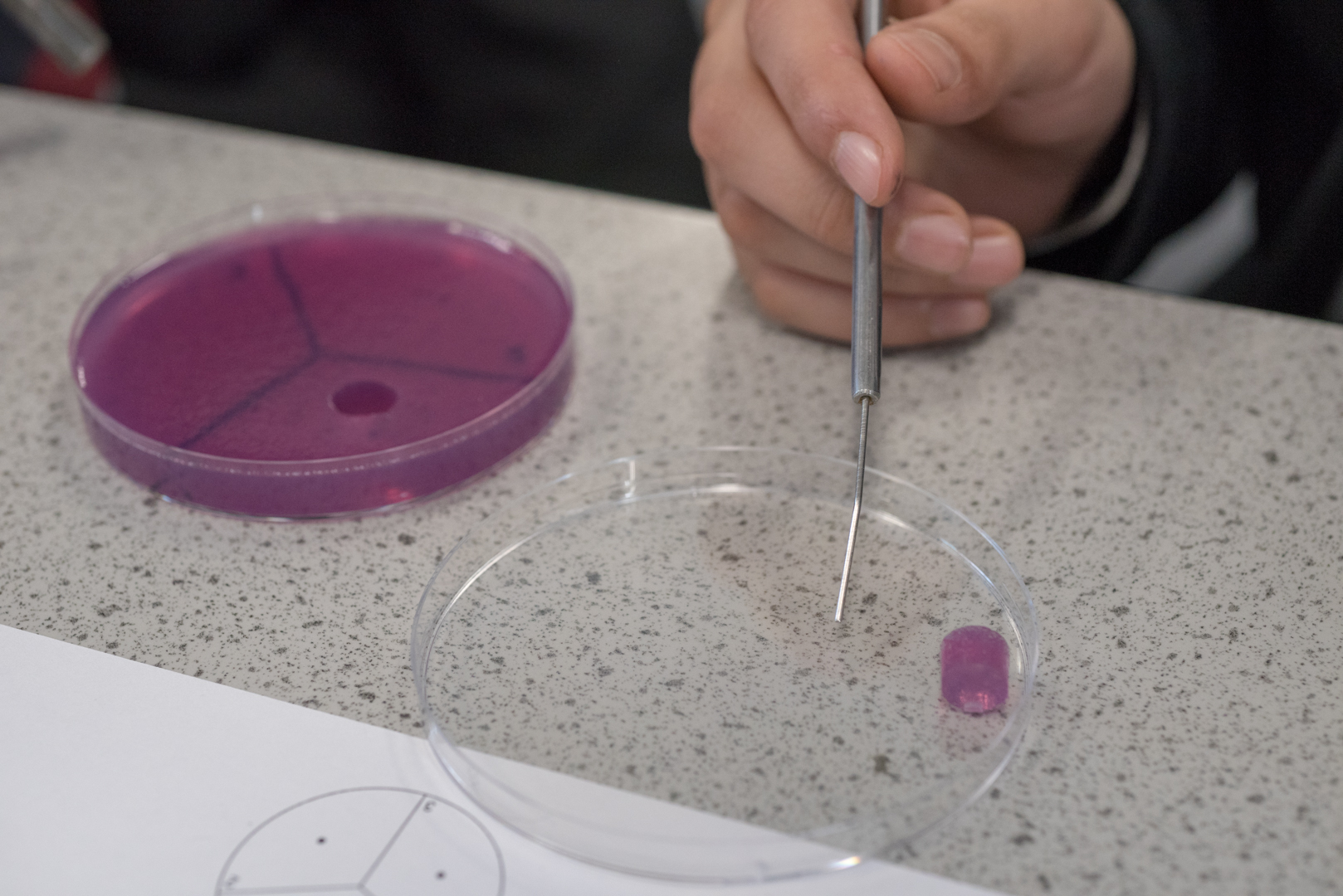
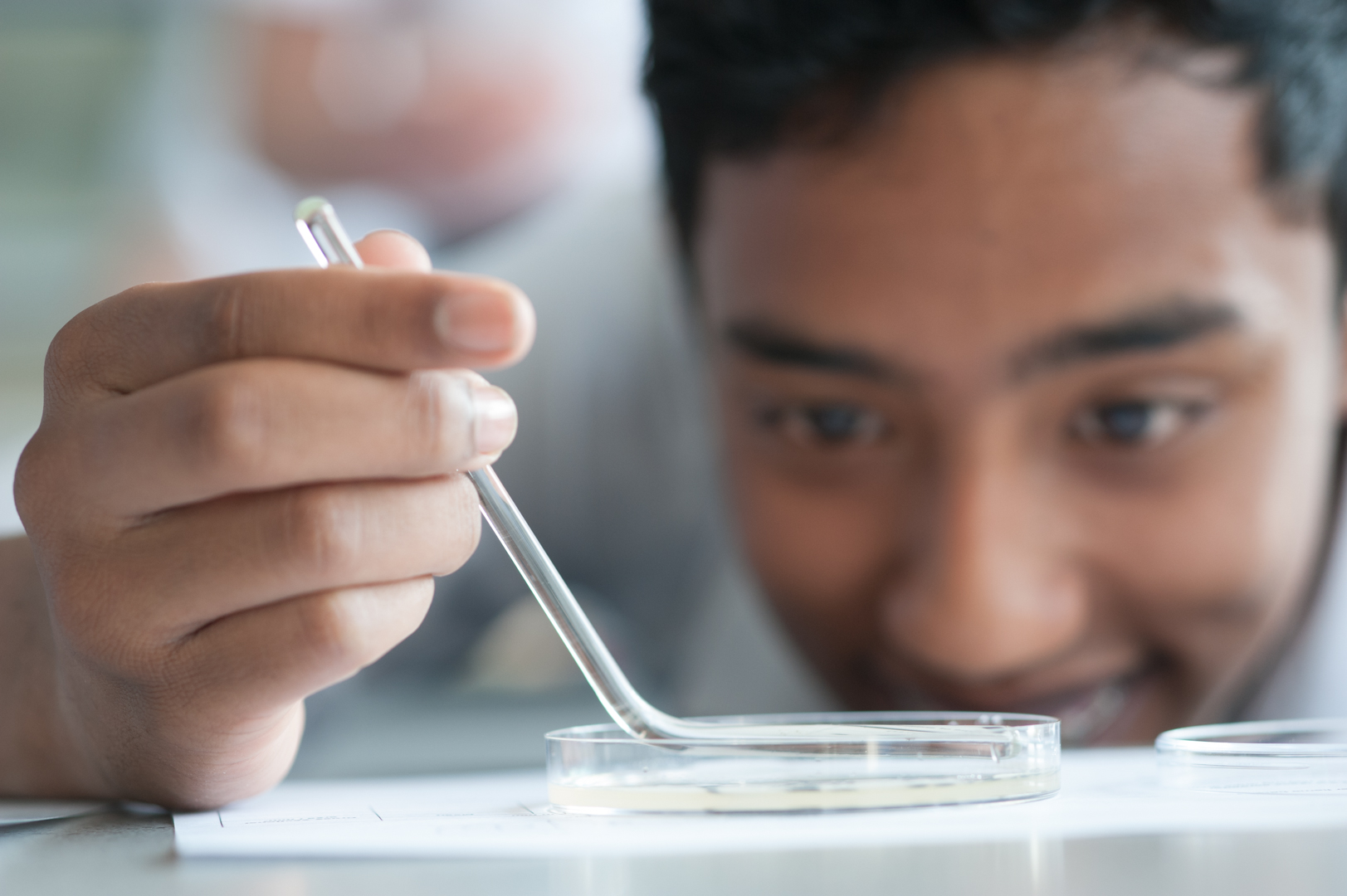
Biology at Aston teaches pupils to observe and investigate the world they live in, and to follow changing opinions of people through the news and current affairs. To these ends, pupils are encouraged to appreciate
-
the role of biology in describing the structure and functioning of the natural world;
-
the importance of plants, animals and micro-organisms to life on Earth;
-
the importance of using experimental procedures to collect data, analyse and evaluate their findings and form conclusions by applying their knowledge;
-
the place of mankind in the natural world;
-
the moral, ethical, social and cultural implications of some of the applications of biology and technology;
-
the importance of biological research and advances in technologies;
-
the importance of communication of advances within scientific communities;
-
the importance of accessing information using a wide range of strategies, including reading a wide range of literature, podcasts, blogs, vlogs, sound bites, and discussing new ideas.
Pupils are encouraged to respect and take pride in their own work as well as that of others. They are encouraged to develop and support their own views on ethical issues by studying related information and considering a range of views. By using critical thinking, creative insight, and their current scientific knowledge, students collaborate, investigate, solve problems, communicate, innovate, discover, and increase their understanding of biology through hands-on experience.
Teaching staff:
- Mrs J Dhillon (Subject Leader)
- Mr S Hill
- Mr I Mackie
- Mrs J Smith
- Miss S Zaynab
Support staff:
- Mr I Inglis
Educational visits:
- Year 9: forensic science
- Year 10: biology quiz
- Year 12: field work
- Year 12: Aston University master classes
- Year 13: Medlink
Year 7
| Summary of curriculum: | Our aim is to give each student an appreciation, knowledge, and understanding of scientific facts, history, methods, and applications and to develop their practical and investigative skills. Whether they proceed to advanced studies or finishes their formal scientific training at GCSE they should have a broad, informed foundation for the future. All students are taught balanced science (biology, chemistry, physics and How Science Works) in year 7. |
|---|---|
| Main topics: |
Biology:
|
| How parents can support their son’s learning: | Encourage student's natural curiosity to question the world around them. Discuss science stories in the news and take the time to watch science documentaries together. Identify real-world applications of the science they have been learning, forces acting on the car, the changes in the garden or park throughout the year and identifying household chemicals. |
| Useful websites: |
Year 8
| Summary of curriculum: |
During year 8, biology is taught as a separate subject and look more in-depth at a range of topics from the different systems of the human body, microbiology, evolution and photosynthesis. Students will complete a number of practical activities to gain a deeper understanding of the theory they learn, this also develops there practical skills in preparation for GCSE. During the summer term, students will carry out an extended project where they can plan their own practical investigation before presenting the results. |
|---|---|
| Main topics: |
|
| How parents can support their son’s learning: |
Encourage students to the wider reading about science in the news and journals available online or in the library. Look for real-world applications of the topics they have been covering, what changes do you notice in your body when you exercise? What different plants and animals can you see? Reading fiction books with a science theme can also engage students with their learning some of Michael Crichton's books could be a good starting point. |
| Useful websites: |
Year 9
| Summary of curriculum: | During year 9, students build on the work and understand from previous years and begin to really lay the foundations of GCSE preparation. The students take an in-depth look at the topics listed through both practical investigations and theory lessons. | |
|---|---|---|
| Main topics: |
|
|
| How parents can support their son’s learning: |
As well as encouraging wider reading in science, it is important for students to review the subject content and practice the application of formulae. Students should start using revision guides and workbooks to help reinforce their learning within school. |
|
| Useful websites: |
|
Year 10
| Summary of curriculum: |
During year 10, students will cover a wide range of topics to prepare for their GCSE exams at the end of year 11. Topics from previous years are built on and new, more challenging concepts are introduced. Students will also practice their exam technique on a range of worked examples with the teacher as well as independent work. Students will follow the AQA GCSE Biology course (8461). This qualification is linear, meaning that students will sit all their exams at the end of the course. |
|---|---|
| Main topics: |
|
| How parents can support their son’s learning: |
Students need to review their learning regularly and practise exam questions. There are a number of websites listed that can support this. It is important for students to work in a quiet environment away from distraction. Students should also be looking into a range of revision techniques to find what works best for them. Many students find the use of an additional revision guide for their subject to be very useful. The most popular ones are published by CGP. Past examination papers and mark schemes are on the AQA website: |
| Useful websites: |
Year 11
| Summary of curriculum: |
During year 11, students will learn any additional content required for the AQA GCSE specification. After this, they focus on revision and exam practice, they are encouraged to review their own work to highlight areas where they do not understand the content or require more support and teachers respond with lessons tailored to these topics. Students will follow the AQA GCSE Biology course (8461). This qualification is linear, meaning that students will sit all their exams at the end of the course. |
|---|---|
| Main topics: |
|
| How parents can support their son’s learning: |
You should encourage your son to review his work regularly. This should include the making of revision notes after every topic. Many students find the use of an additional revision guide for their subject to be very useful. The most popular ones are published by CGP. Past examination papers and mark schemes are on the AQA website: |
| Useful websites: |
Year 12
| Summary of curriculum: |
A Level Biology is a two-year linear course ending with three written exams. Practical work is carried out throughout the year some of which are assessed for competencies in their investigation skills. During year 12, students will build on their existing knowledge and be introduced to new, more complex concepts. This A Level qualification is linear, meaning that students will sit all their exams at the end of the course: A Level Biology specification |
|---|---|
|
Main topics: |
|
|
How parents can support their son’s learning: |
Students should spend time reading around the subject and looking for ways to extend their knowledge away from what is done in the classroom to a more complete context. Many students find the use of an additional revision guide for their subject to be very useful. The most popular ones are published by CGP. You should encourage your son to review his notes on a frequent and regular basis, and take time to read around the subject matter. Past papers and mark schemes are available from the AQA website: |
|
Useful websites: |
Year 13
| Summary of curriculum: |
During year 13 students complete all subject knowledge study for the course and continue to develop their practical skills. Students also work on exam technique. This A Level qualification is linear, meaning that students will sit all their exams at the end of the course: A Level Biology specification |
|---|---|
| Main topics: | |
| How parents can support their son’s learning: |
Students could be looking into journal articles into specific areas of biology that interest them. They could push their knowledge further by reading articles on physics in Scientific American or other such publications. Students should also be encouraged to revise all of their subject content and spend time doing past examination questions. Many students find the use of an additional revision guide for their subject to be very useful. The most popular ones are published by CGP. You should encourage your son to review his notes on a frequent and regular basis, and take time to read around the subject matter. Past papers and mark schemes are available from the AQA website: |
| Useful websites: |