

Music
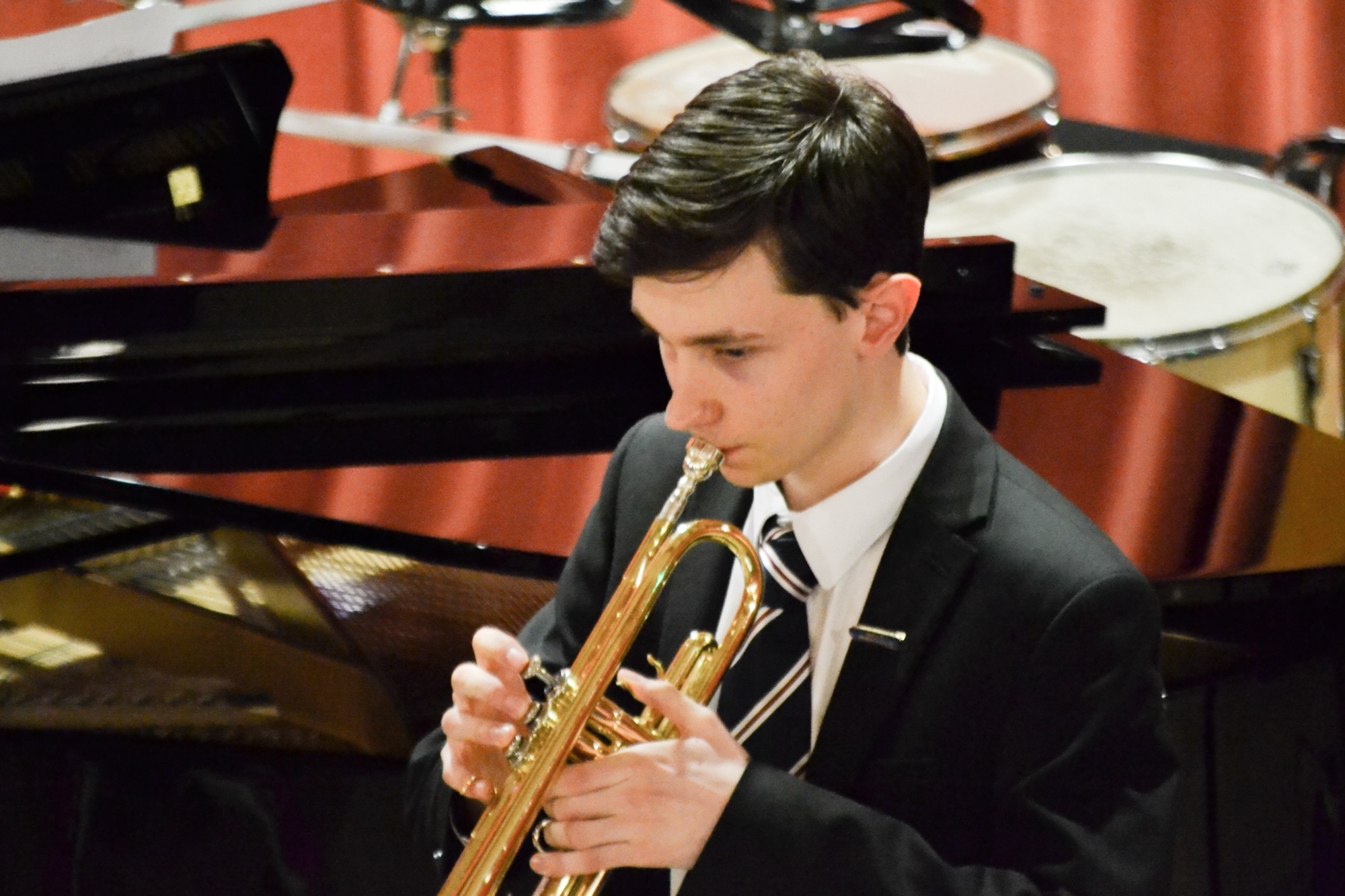
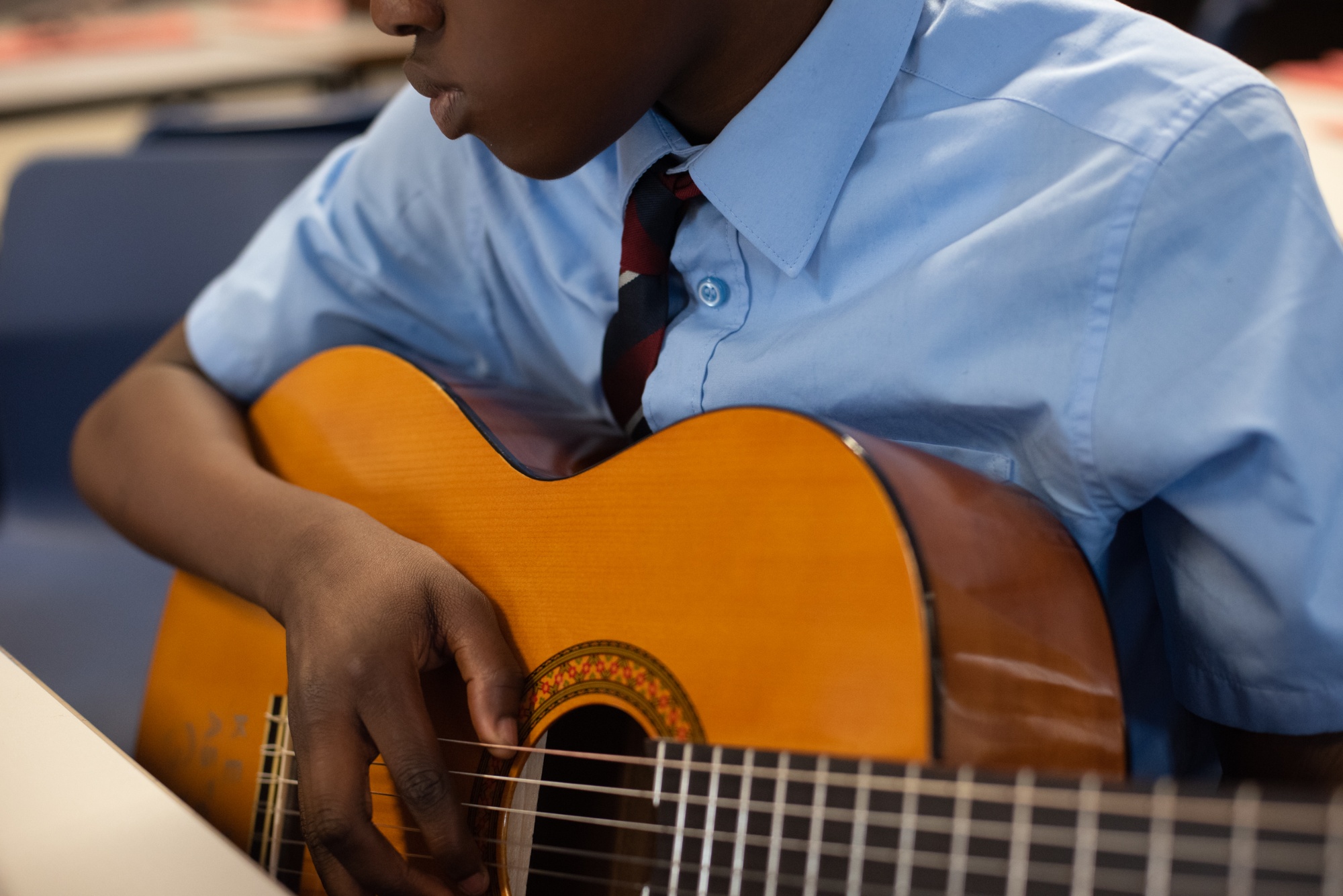
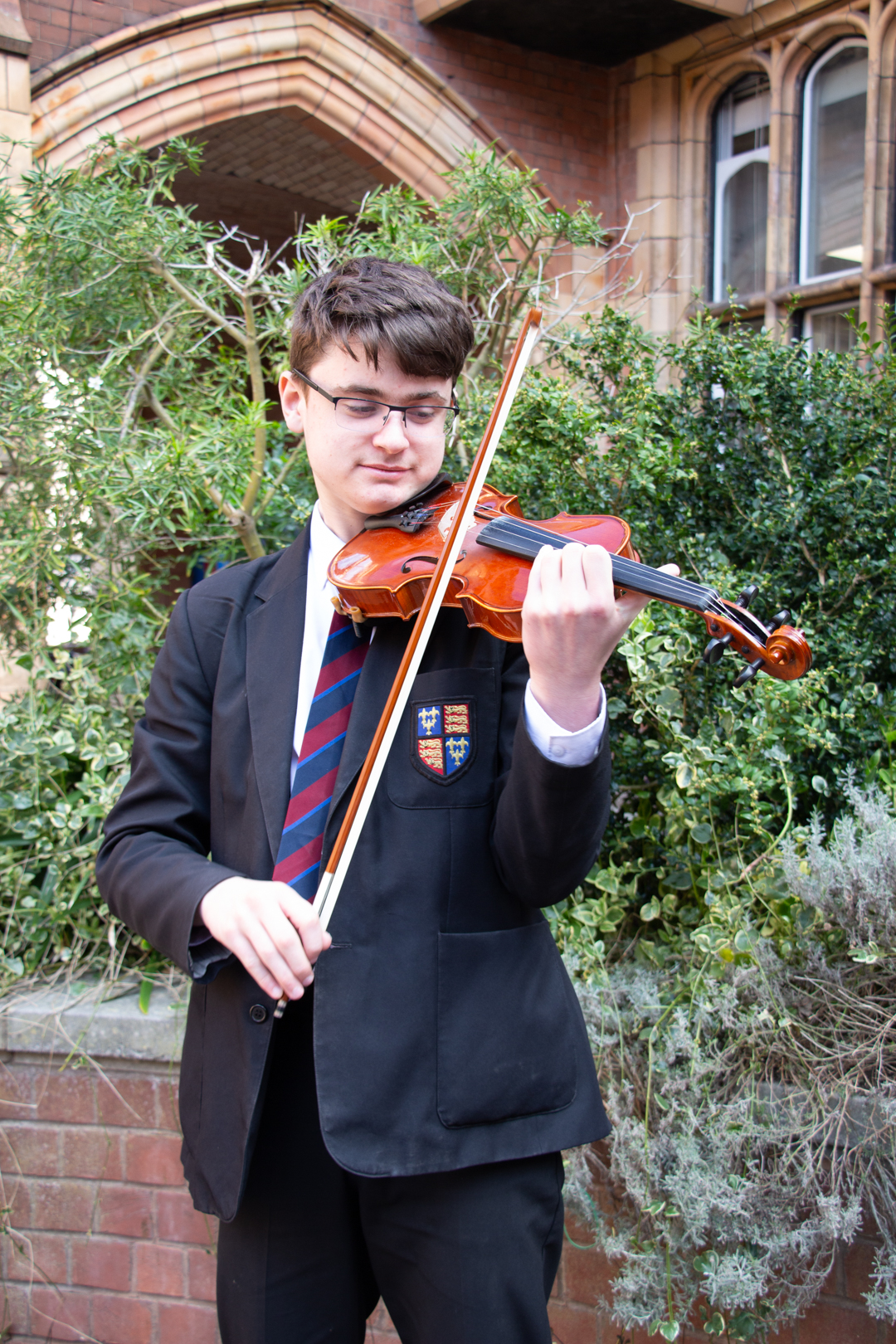
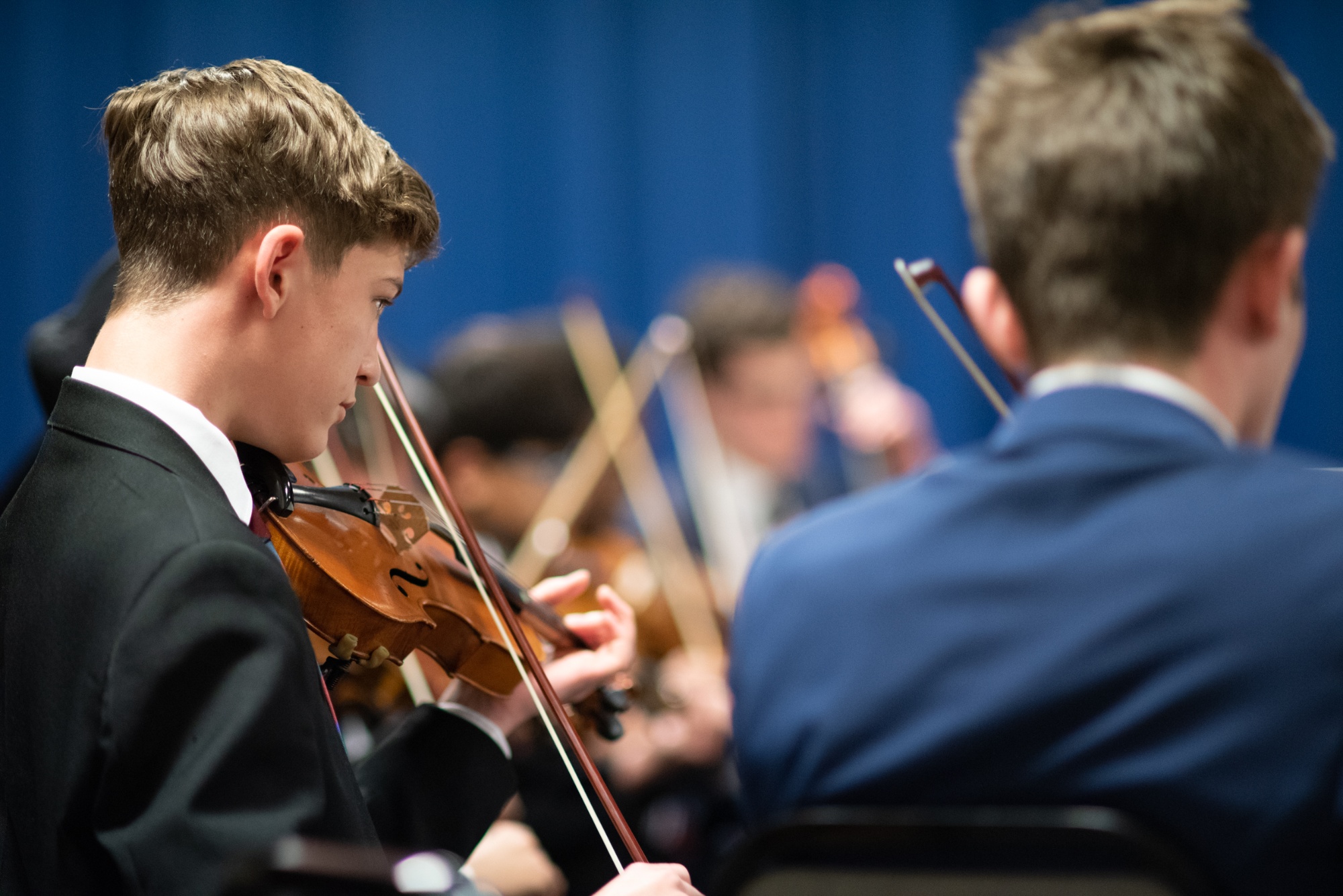
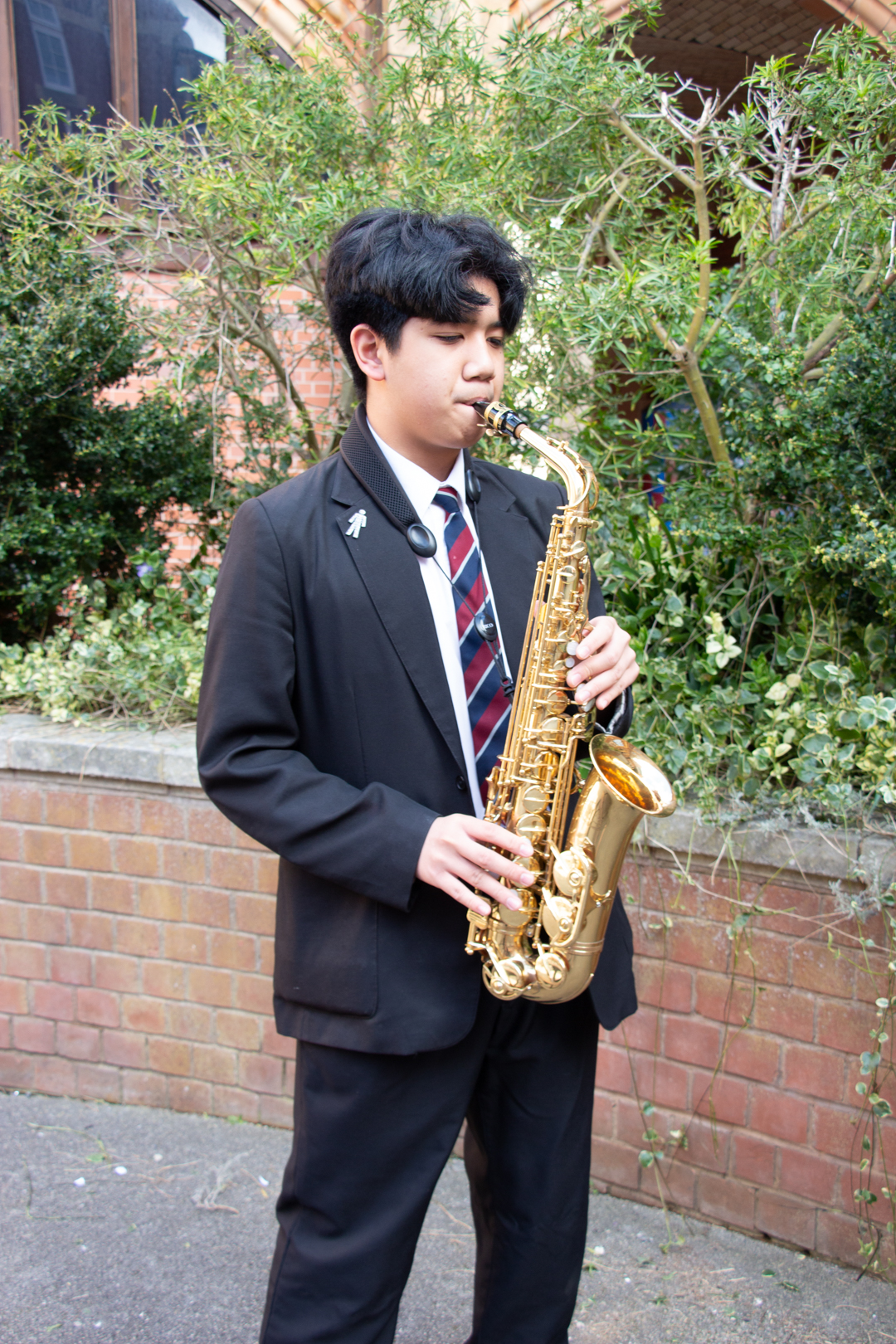
We aim to promote the enjoyment and appreciation of music in all its forms through practical music-making and listening in the classroom and beyond.
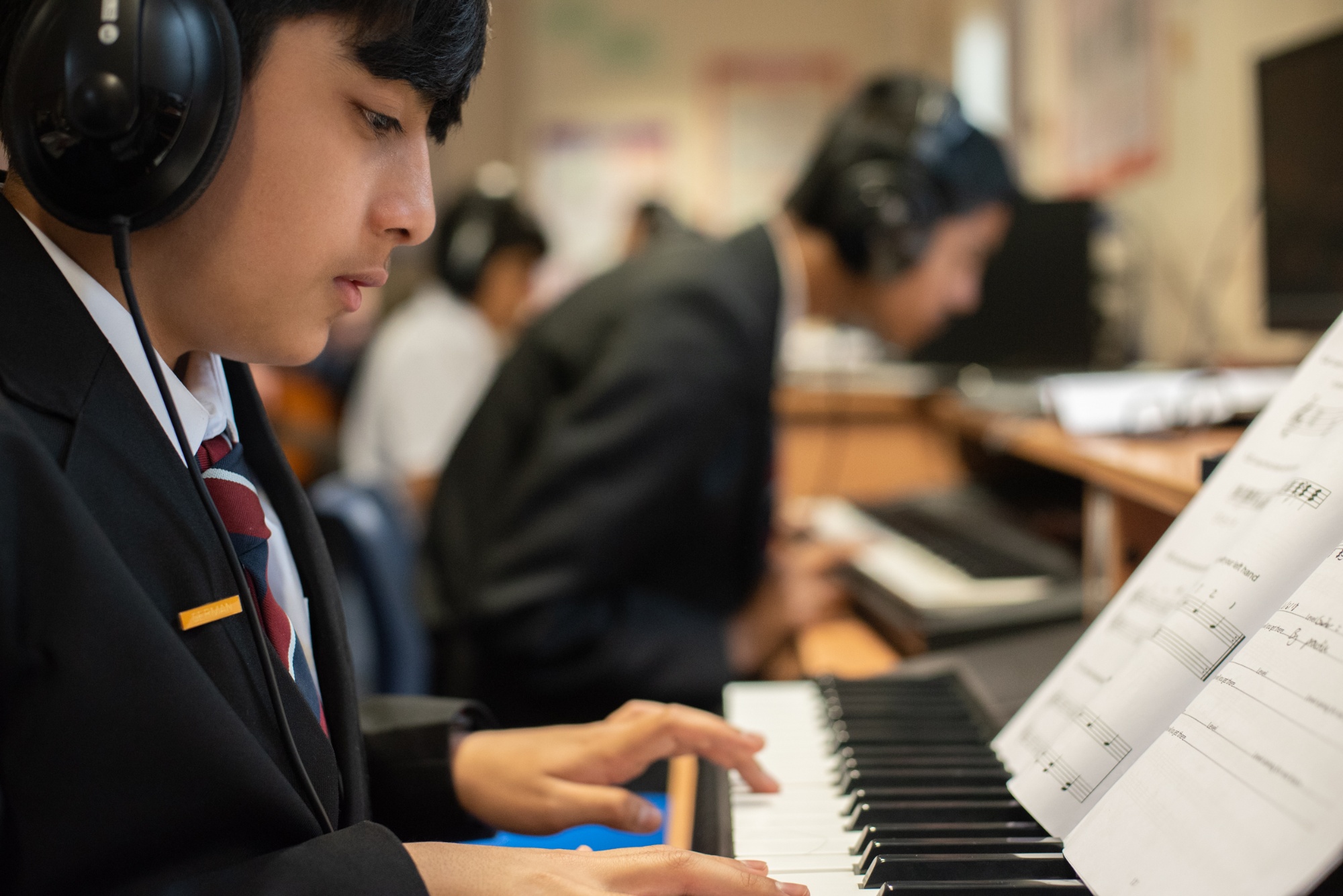
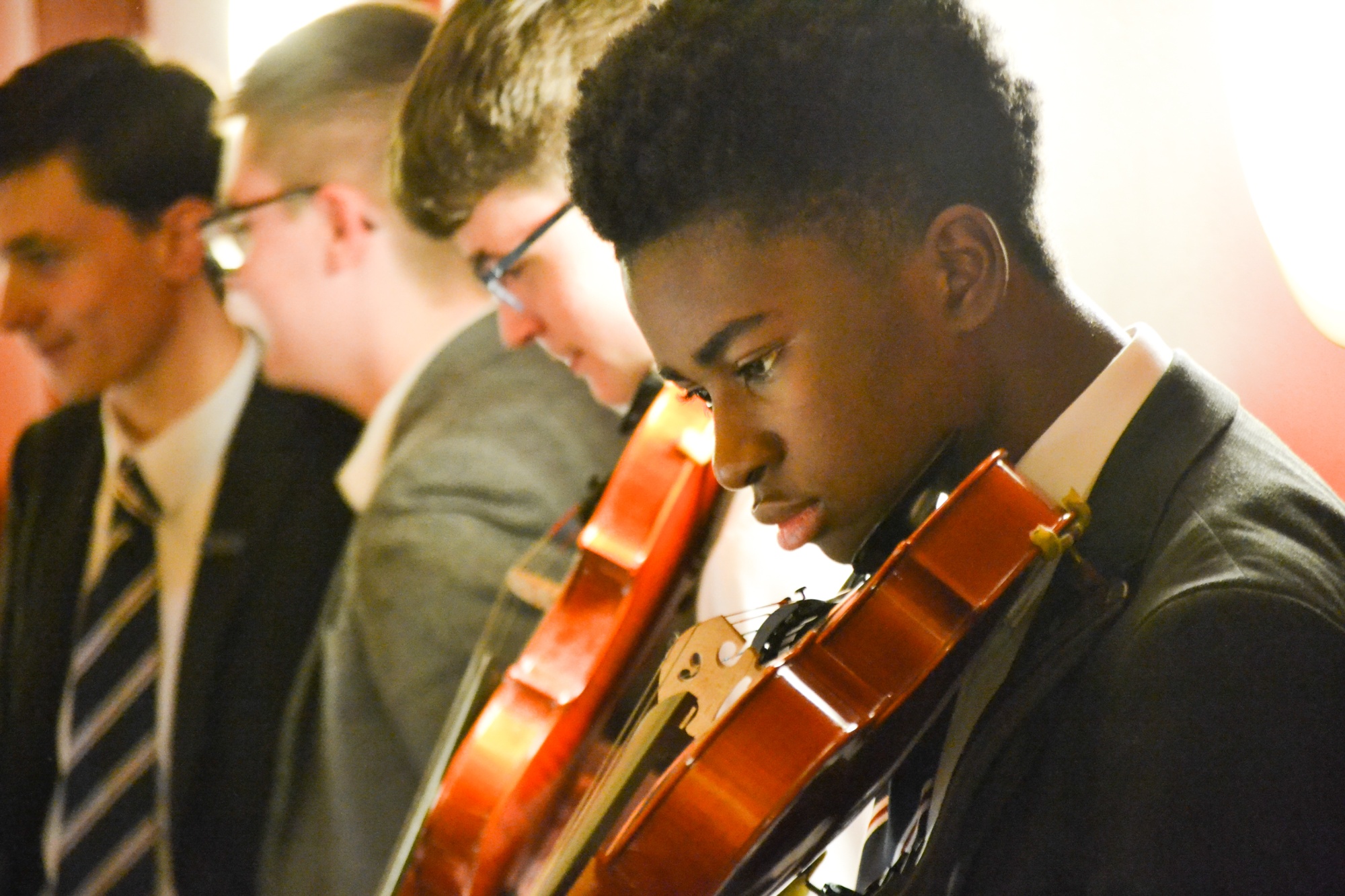
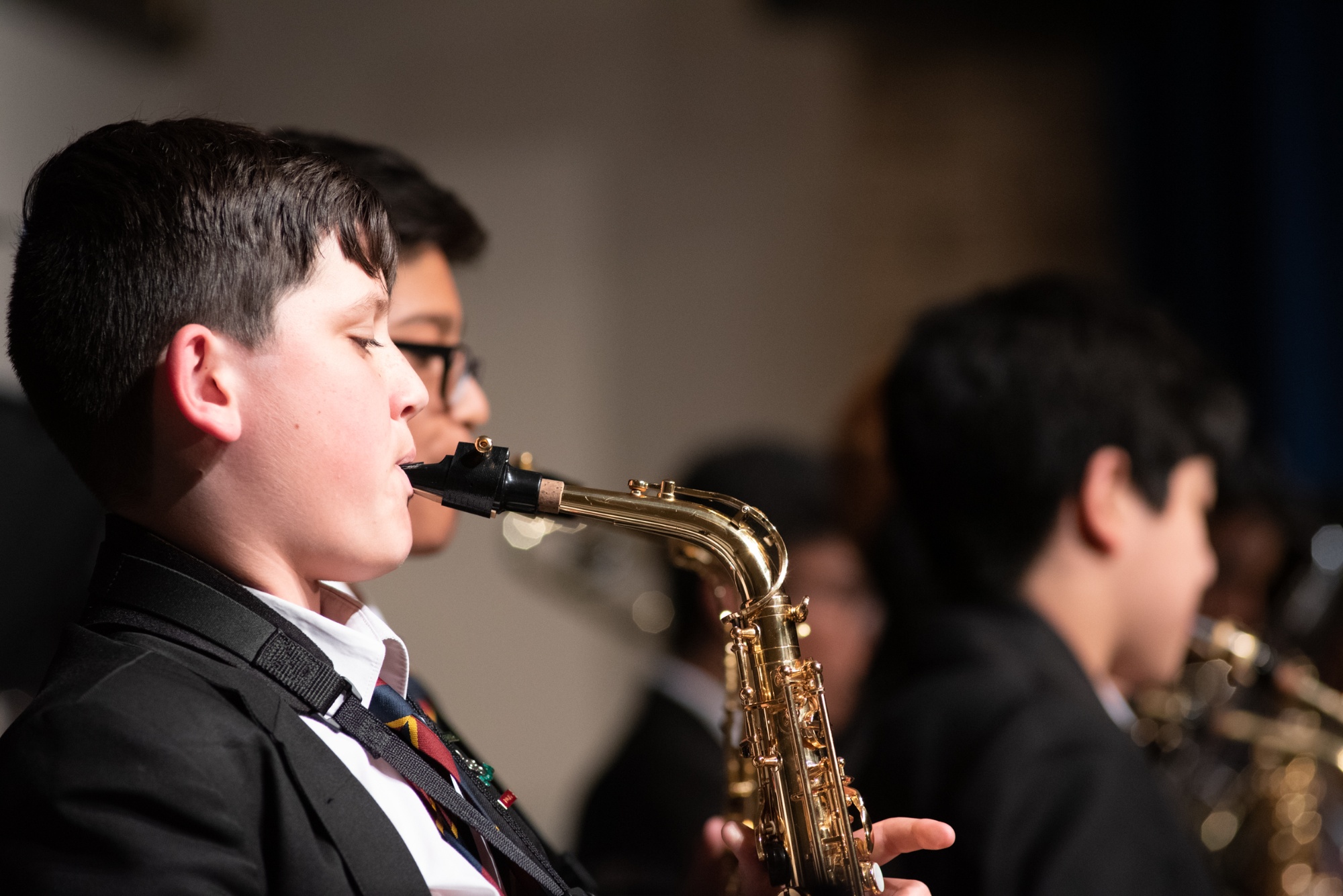
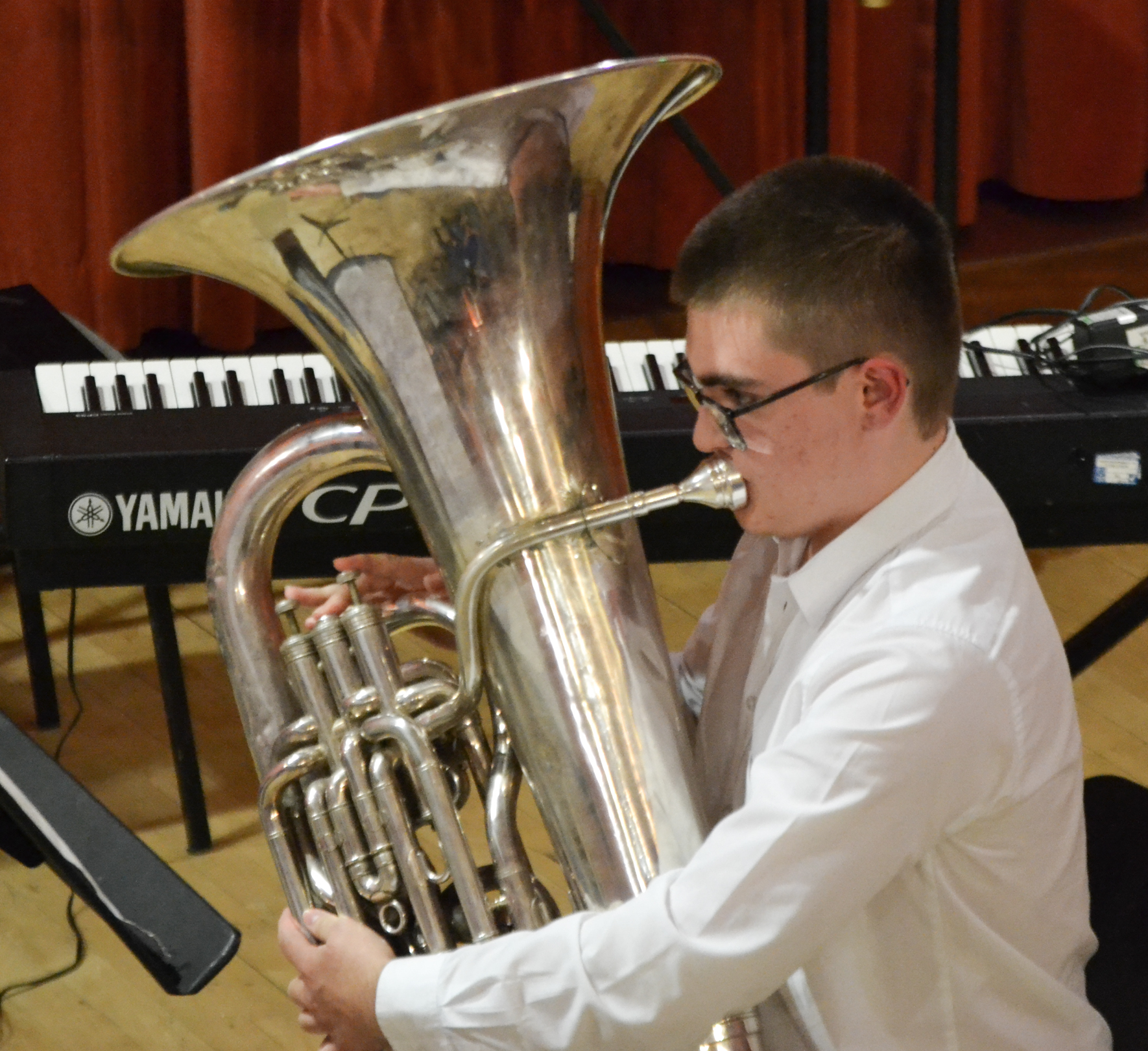
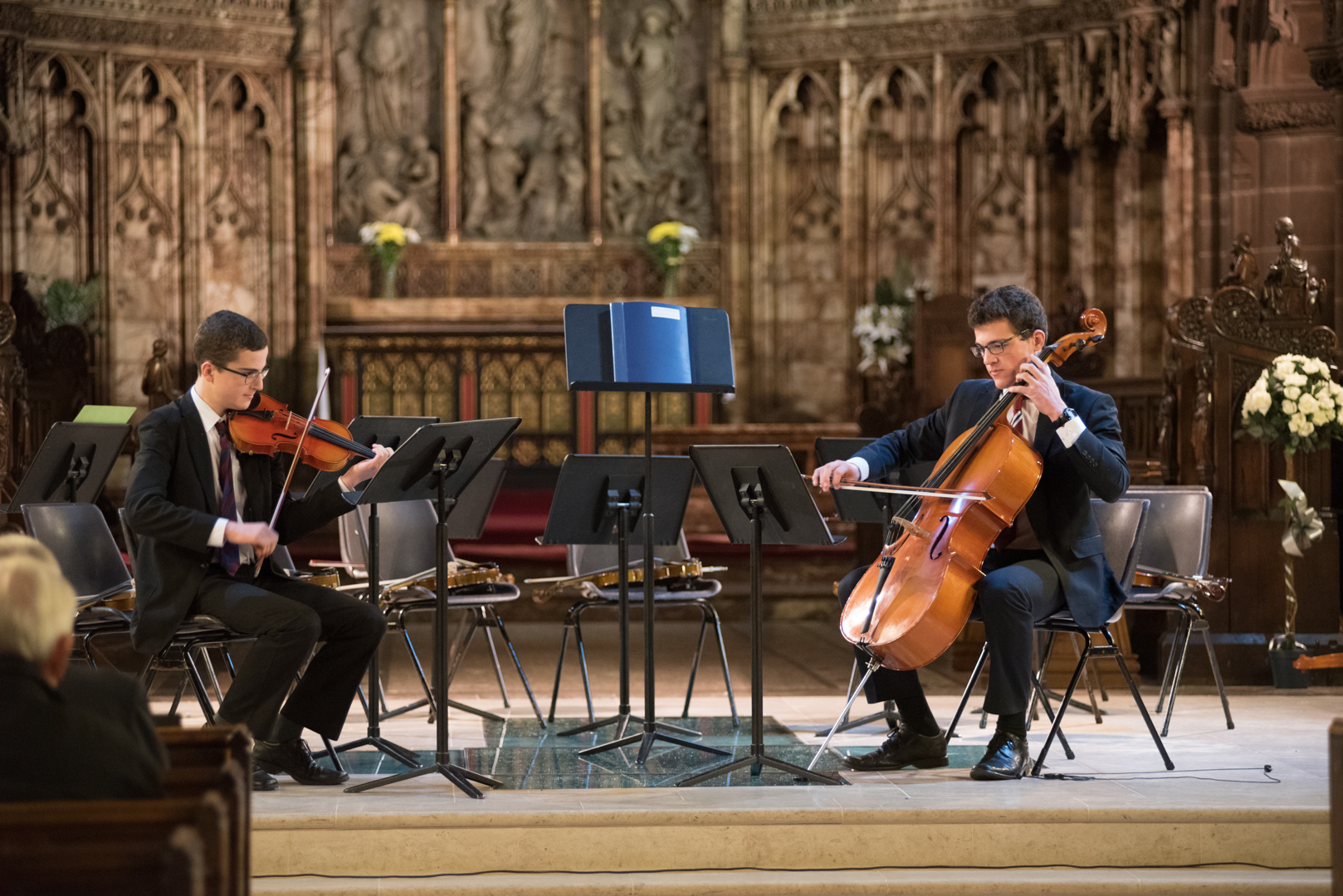
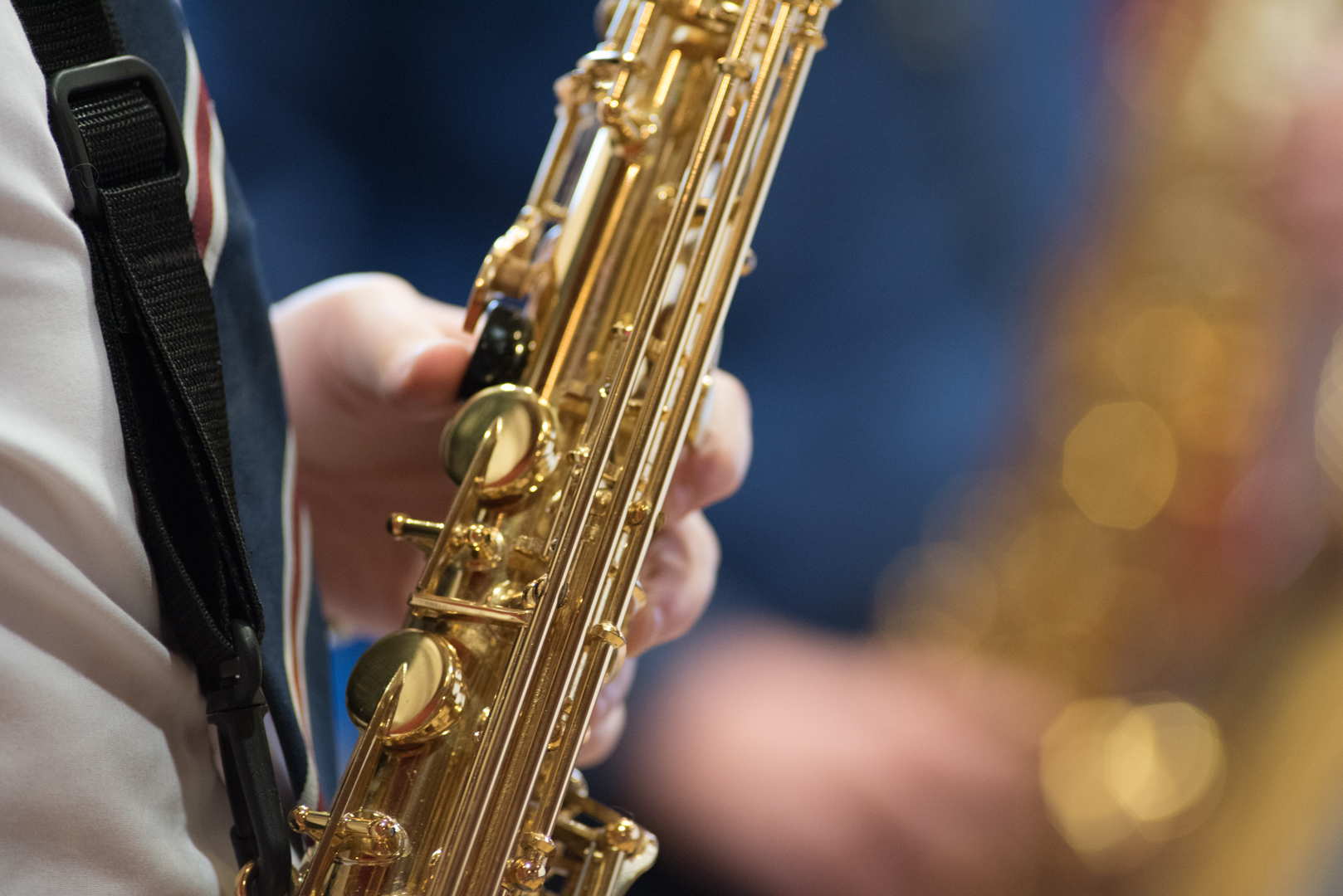
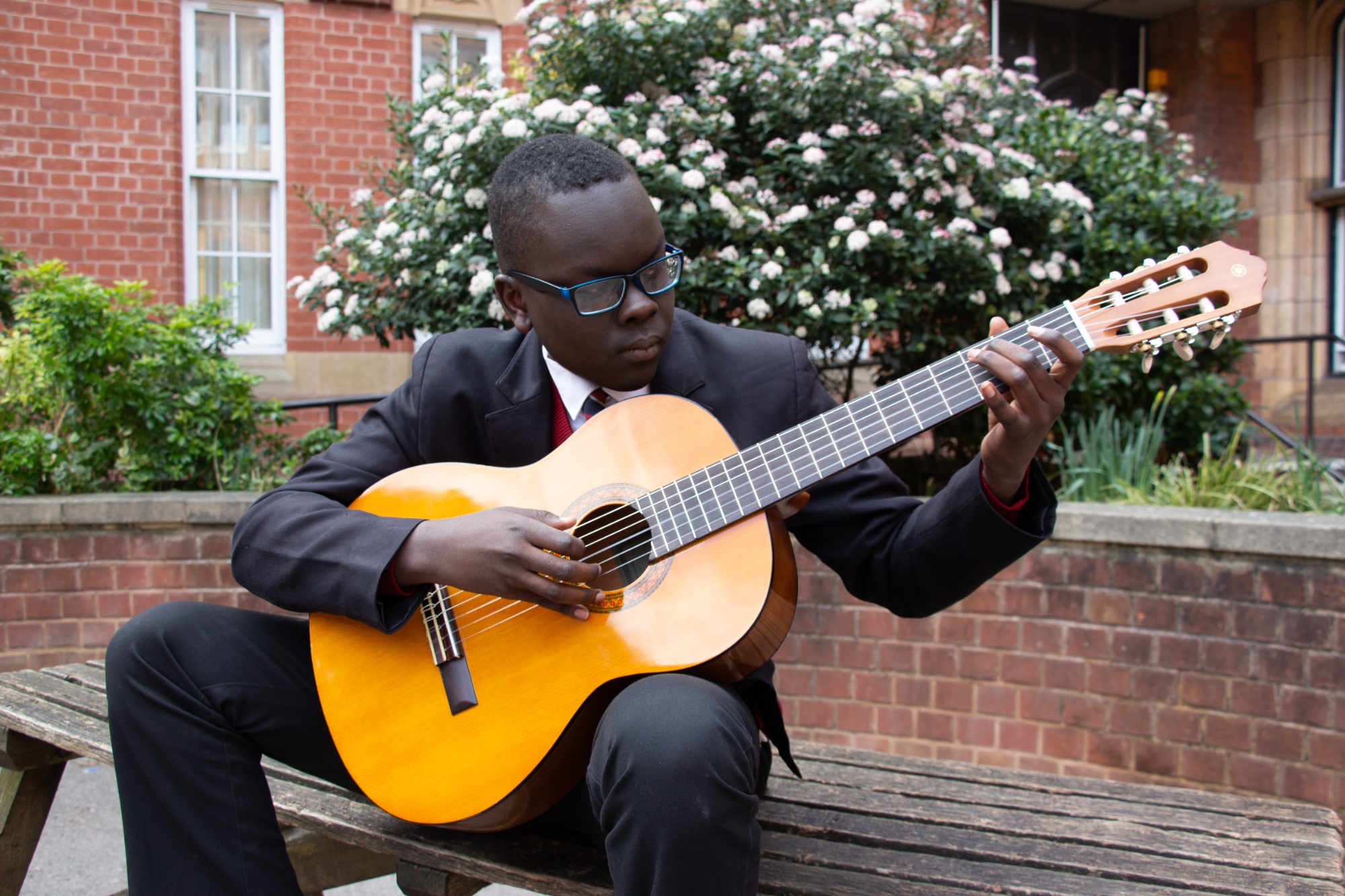
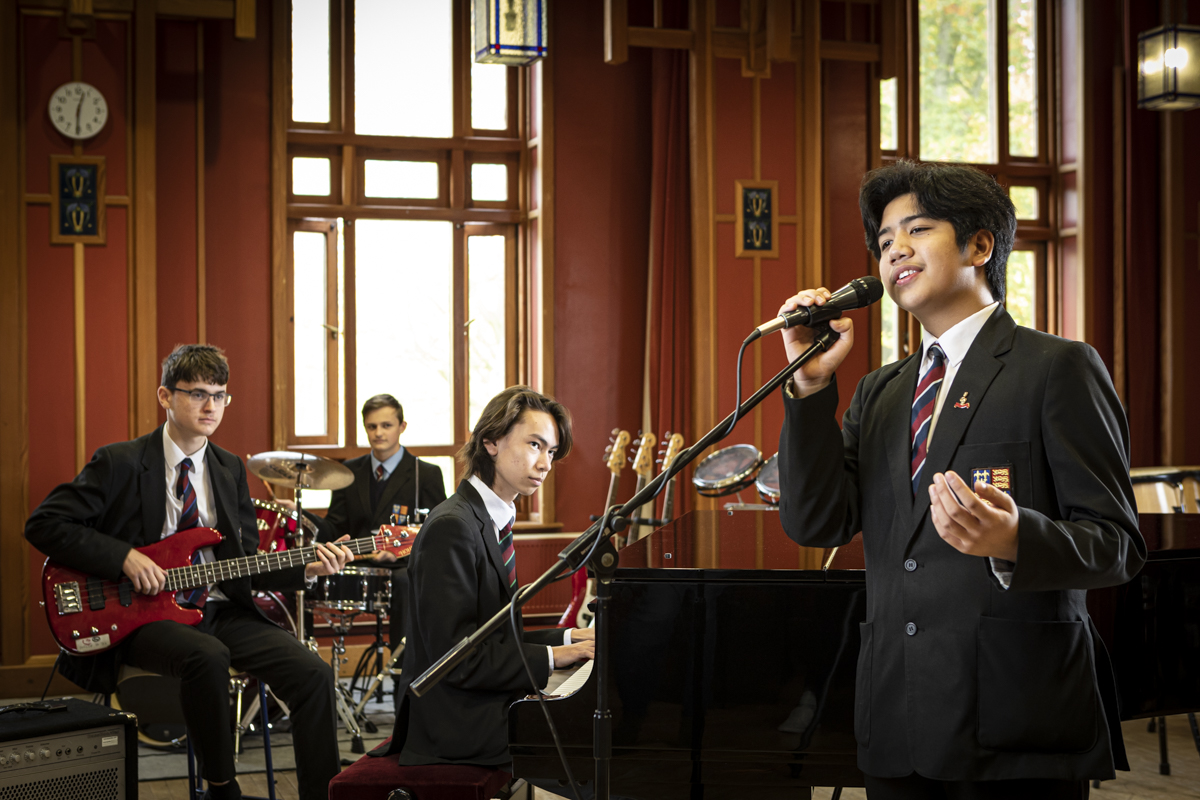
The music department is an active and vibrant part of school life at Aston with a large number of boys involved in both instrumental lessons and music groups. Everyone is encouraged to take part in extracurricular groups, regardless of ability. Practical music-making is at the heart of the curriculum and the opportunities for musical creativity through voice, instruments and technology are encouraged from year 7 onwards. Our departmental aim is to encourage as many boys as possible to be involved in music, both inside and out of the classroom, experiencing music-making at every level of ability.
Staff:
- Ms Piroşcă (Director of Music)
- Mr R McBrien
Facilities:
The department is housed in Douglas House comprising of two teaching classrooms, six individual teaching/practice rooms, and a recital hall where weekly rehearsals are held. The teaching classrooms are equipped with keyboards and computers running Sibelius 10 music software.
Trips and Visits:
We have yearly visits to Symphony Hall for all year 7 students and our A Level groups also attend concerts to enhance their learning. Our music groups often perform at a variety of external events and we aim to hold a music trip abroad every 2 or 3 years. Past trips have included concerts in venues around Europe and a trip to New York.
Year 7
| Summary of curriculum: |
The elements of music underpin the curriculum taught in year 7. Students begin by learning about rhythm and pitch and in addition cover topics on the instruments of the orchestra. Melody, harmony, texture, timbre and structure are covered through a variety of composing, performing and listening tasks. |
|---|---|
| Main topics: |
|
| How parents can support their son’s learning: |
Encourage your son to perform the pieces he learns in lesson and to listen to the music used in lessons. |
| Useful websites: |
|
Year 8
| Summary of curriculum: |
The elements of music underpin the curriculum taught in year 8. Students study rhythm, pitch, melody, harmony, texture, timbre and structure through a variety of composing, performing and listening tasks. |
|---|---|
| Main topics: |
|
| How parents can support their son’s learning: |
Encourage your son to perform the pieces he learns in lessons and to listen to the music used in lessons. |
| Useful websites: |
|
Year 9
| Summary of curriculum: | The elements of music underpin the curriculum taught in year 9. Students study rhythm, pitch, melody, harmony, texture, timbre and structure through a variety of composing, performing and listening tasks. |
|---|---|
| Main topics: |
|
| How parents can support their son’s learning: |
Encouraging your son to perform the pieces he learns in lesson and to listen to the music used in lessons. |
| Useful websites: |
|
Year 10
| Summary of curriculum: |
Specification and topics covered at GCSE: see
|
|---|---|
| Main topics: |
Component 1: performing
Component 2: composing
Component 3: appraising
|
| How parents can support their son’s learning: |
Listening to their son perform regularly on their musical instrument and encouraging them to listen to music from each of the four areas studied. |
| Useful websites: |
Year 11
| Summary of curriculum: |
Specification and Topics covered at GCSE: see
|
|---|---|
| Main topics: |
Component 1: performing
Component 2: composing
Component 3: appraising
|
| How parents can support their son’s learning: |
Listening to their son perform regularly on their musical instrument and encouraging them to listen to music from each of the four areas studied. |
| Useful websites: |
Year 12
| Summary of curriculum: |
A Level music offers you the opportunity to develop as a performer and composer with 60% of the course being made up of practical assessments. These can be weighted to play to a student’s individual strengths with either a 25% or 35% weighting for either composition or performance. The level of difficulty for performance is around a grade 6 equivalent. Students will follow the Eduqas Music Specification which is divided into 3 units. |
|---|---|
| Main topics: |
Component 1: Performing
Component 2: Composing
Component 3: Appraising Written examination: 2 hr 15 min for 40% of the qualification. Three main areas are studied:
|
| How parents can support their son’s learning: |
Listening to their son perform at home, and attending regular concerts consisting of a variety of classical music, modern contemporary classical music, pop music, musical theatre and jazz music. |
| Useful websites: |
Year 13
| Summary of curriculum: |
A Level music offers you the opportunity to develop as a performer and composer with 60% of the course being made up of practical assessments. These can be weighted to play to a student’s individual strengths with either a 25% or 35% weighting for either composition or performance. The level of difficulty for performance is around a grade 6 equivalent. Students will follow the Eduqas Music Specification which is divided into 3 units. |
|---|---|
| Main topics: |
Component 1: Performing
Component 2: Composing
Component 3: Appraising Written examination: 2 hr 15 min for 40% of the qualification. Three main areas are studied:
|
|
How parents can support their son’s learning: |
Listening to their son perform at home, and attending regular concerts consisting of a variety of classical music, modern contemporary classical music, pop music, musical theatre and jazz music. |
| Useful websites: |